




THE SUPPORTERS CIRCLE
All the benefits of The Extraordinary Form, plus:
Custom giving level
This is more than a membership—it’s a commitment to advancing the mission and helping shape its future.
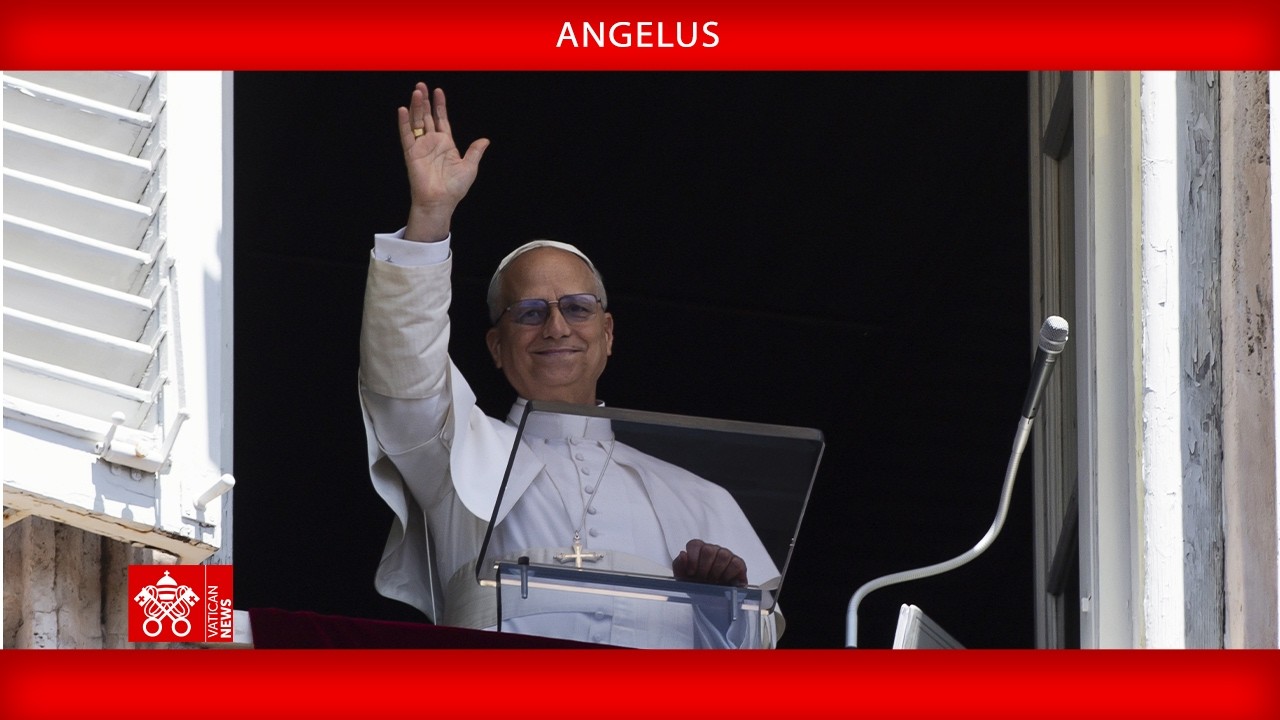
Those words from Pope Leo XIV at yesterday’s Angelus deserve more attention than they are likely to receive. Reflecting on Christ as the stone rejected by the builders which becomes the cornerstone, Leo returned to one of the most unsettling reversals in Christianity: what the world considers useless may turn out to possess a value the world was incapable of recognising. The image comes from Psalm 118 and is taken up by Christ Himself in the Gospel.
The builders examine the stone and reject it because it does not fit their purposes, yet God sees differently, the rejected stone becomes the foundation upon which something new is built. That is more than just an interesting biblical metaphor, it contains an entire Christian understanding of the human person. Our culture has become extraordinarily good at measuring usefulness; we measure productivity, economic contribution, intelligence, physical capability, independence and even social influence. Much of that measurement is necessary, because societies cannot function without distinguishing what works from what does not. There is, however, a danger, which begins when we allow the measurement of usefulness to become the measurement of worth.
Christianity refuses that move absolutely.
The unborn child possesses no economic usefulness. The profoundly disabled person may never achieve independence. The elderly person approaching death may require vastly more from society than he or she can materially return. The addict may have destroyed relationships and opportunities. The prisoner may have committed terrible crimes. The person who has failed spectacularly may no longer resemble the person everyone once expected them to become. Yet none of them becomes human by being useful and none ceases to be human by becoming dependent. Leo’s phrase therefore contains a quiet challenge to some of the deepest assumptions of modernity.
“God never discards our lives.”
Not because everything we do is good, or because our choices have no consequences, but because Christian hope begins from the conviction that failure is never the whole truth about a human being. God does not look at us as units of productivity. He looks at us as people capable of becoming saints!